Pages

Sunday, August 25, 2024

Understanding "የጌታ ወንድሞችና እኅቶች" (Matthew 13 : 54-55) in the Holy Bible: EOTC Perspective II


In Part I of this essay, we explored the term "ወንድሞቹስ" in Matthew 13:54-55, where the Bible says: "እናቱስ ማርያም ትባል የለምን? ወንድሞቹስ ያዕቆብና ዮሳ ስምዖንም ይሁዳም አይደሉምን?" We clarified that this term refers to the children of Mary, the wife of Cleophas, not Mary, the mother of Christ. In this essay, we will explore this focus in depth.

The Holy Bible mentions only two apostles named ያዕቆብ (James): "የዘብዴዎስ ልጅ ያዕቆብ" (James, the son of Zebedee) and "የእልፍዮስ ልጅ ያዕቆብ" (James, the son of Alphaeus) (Matt 10፡ 2-5). St. Mark distinguishes James, the son of Alphaeus, as "James the Less (ታናሹ ያዕቆብ)," to set him apart from James, the son of Zebedee “…ያገለግሉት የነበሩ መግደላዊት ማርያም የታናሹ ያዕቆብና የዮሳም እናት ማርያም ሰሎሜም ነበሩ::”(Mark 15:40-41). There is no third James among the apostles. If there were, Saint Mark would not have needed to specify James the Less (ታናሹ ያዕቆብ) to differentiate him from James the son of Zebedee. The terms "ታናሽ" and "ታላቅ" are used to differentiate between two, not three.

In Galatians 1:19, St. Paul writes: "ከጌታ ወንድም ከያዕቆብ በቀር ከሐዋርያት ሌላ አላየሁም," indicating that the James he met was James the Less, who is the Son of Alphaeus. This is because, James, the son of Zebedee, who was the brother of John had already been martyred by Herod (Acts 12:2፣ Mark 1:19, 3: 17, 10:35 ). This reinforces that there is no third James among the apostles.

In comparing Mark 15:40-41 “ሴቶችም ደግሞ በሩቅ ሆነው ይመለከቱ ነበር፤ ከእነርሱም በገሊላ ሳለ ይከተሉትና ያገለግሉት የነበሩ መግደላዊት ማርያም የታናሹ ያዕቆብና የዮሳም እናት ማርያም ሰሎሜም ነበሩ።”  and John 19:25, “ነገር ግን በኢየሱስ መስቀል አጠገብ እናቱ ፣ የእናቱም እኅት የቀለዮጳም ሚስት ማርያም ፣ መግደላዊት ማርያም ቆመው ነበር” we find that Mary, the wife of Cleophas (or Alphaeus), is also the mother of James the Less. Though Cleophas and Alphaeus are written differently, they refer to the same person. Using multiple names for the same person was a common practice in Hebrew culture as stated in Exodus 18:6, Judges 6:32, John 1:43, etc.

However, the Virgin Mary is never referred to as the mother of James, Jose, and Jude anywhere in the Bible.

In summary, the "brothers of the Lord—የጌታ ወንድሞች" mentioned in the scriptures are the children of Cleophas (Alphaeus) and Mary, the sister of the Virgin Mary, making them cousins of Christ. It was customary for the Jews to refer to cousins as brothers, a tradition also observed in Ethiopia, which embraced the Judaic faith before Christianity.


Friday, August 23, 2024

Orthodox Christian Ethics and Brutal Violence (ጭካኔ የተሞላበት ጥቃት)


Orthodox Christian Ethics unequivocally condemns all forms of violence (ጥቃት), particularly those that harm the most vulnerable members of society, such as children. The teachings of the Church emphasize love and compassion urging believers to lead lives that reflect the example of Jesus Christ. Acts of brutal violence, such as child rape and murder, are considered grave sins, violating both the moral law and the natural order of creation. Humanity, created in the image of God, is called to a higher standard of behavior, one that reflects God's love and holiness.

The Bible strongly condemns violence and advocates the sanctity of life.

Genesis 1:27 declares that humans are created in the image of God: "እግዚአብሔርም ሰውን በመልኩ ፈጠረ፤ በእግዚአብሔር መልክ ፈጠረው፤ ወንድና ሴት አድርጎ ፈጠራቸው።" This foundational belief in the divine image underscores the inherent dignity of every human being.

The commandment "አትግደል" (Exodus 20:13) clearly prohibits murder, emphasizing the sanctity of life.

In Matthew 5:21-22, Jesus deepens the understanding of this commandment: ""ለቀደሙት፦ አትግደል እንደ ተባለ ሰምታችኋል፤ የገደለም ሁሉ ፍርድ ይገባዋል።እኔ ግን እላችኋለሁ፥ በወንድሙ ላይ የሚቆጣ ሁሉ ፍርድ ይገባዋል፤ ወንድሙንም ጨርቃም የሚለው ሁሉ የሸንጎ ፍርድ ይገባዋል፤ ደንቆሮ የሚለውም ሁሉ የገሃነመ እሳት ፍርድ ይገባዋል።" This teaches that not only murder but also the anger and hate that lead to it are sinful.

Matthew 18:6 strongly warns against harming children: "በእኔም ከሚያምኑ ከነዚህ ከታናናሾቹ አንዱን የሚያሰናክል ሁሉ፥ የወፍጮ ድንጋይ በአንገቱ ታስሮ ወደ ጥልቅ ባሕር መስጠም ይሻለው ነበር።" This verse highlights the severity of leading a child into harm, equating it to a grave offense before God.

Romans 13:9-10: "አታመንዝር፥ አትግደል፥ አትስረቅ፥ በውሸት አትመስክር፥ አትመኝ የሚለው ከሌላይቱ ትእዛዝ ሁሉ ጋር በዚህ፦ ባልንጀራህን እንደ ነፍስህ ውደድ በሚለው ቃል ተጠቅልሎአል። ፍቅር ለባልንጀራው ክፉ አያደርግም፤ ስለዚህ ፍቅር የሕግ ፍጻሜ ነው።" This verse teaches that love fulfills the law and does no harm.

1 John 3:15: "ወንድሙን የሚጠላ ሁሉ ነፍሰ ገዳይ ነው፥ ነፍሰ ገዳይም የሆነ ሁሉ የዘላለም ሕይወት በእርሱ እንዳይኖር ታውቃላችሁ"  This verse equates hatred (ጥላቻ) with murder.

The Church Fathers repeated and expanded upon these biblical teachings, emphasizing the gravity of violence and the need for love and compassion.

St. John Chrysostom states "What is more terrible than the murder of a child? It is the murder of the image of God." Chrysostom also taught the importance of protecting the innocent (ንጹሐን) and opposing all forms of violence.

St. Augustine taught that "There is no sin more grievous than that which marks the soul with the blood of innocence," viewing such acts as direct damage to the peace and order intended by God.

In summary, Orthodox Christian Ethics, rooted in the teachings of Christ and the Church Fathers, view brutal violence as a manifestation of sin and the influence of evil. Such acts are a profound distortion of human nature, which is created in the image of God. The Church calls on the faithful for repentance, transformation, and a commitment to living in accordance with God’s commandments, reflecting His love and holiness in all aspects of life.


Thursday, August 15, 2024

Understanding “የጌታ ወንድሞችና እኅቶች” (Matthew 13 : 54-55) in the Holy Bible: EOTC Perspective, Part I


The Ethiopian Orthodox Tewahedo Church (EOTC) possesses a clear interpretation of the concept of “የጌታ ወንድሞችና እኅቶች” articulated in biblical texts. The Church clarifies that the term “የጌታ ወንድሞችና እኅቶች” does not refer to the biological children of Mary, the mother of Christ the Lord.

In Matthew 13:54-55 it is written: “ወደ ገዛ አገሩም መጥቶ እስኪገረሙ ድረስ በምኩራባቸው ያስተምራቸው ነበር፤ እንዲህም አሉ፦ ይህን ጥበብና ተአምራት ይህ ከወዴት አገኘው? ይህ የጸራቢ ልጅ አይደለምን? እናቱስ ማርያም ትባል የለምን? ወንድሞቹስ ያዕቆብና ዮሳ ስምዖንም ይሁዳም አይደሉምን?”

Some readers mistakenly interpret that the mother of "ወንድሞቹስ" mentioned in the verse above is the same as Mary, the mother of Christ, which leads them to the idea that she had other children. However, a closer examination of the Scriptures reveals the following insights.

In Matthew 27:55-56 it reads: “ኢየሱስን እያገለገሉ ከገሊላ የተከተሉት ብዙ ሴቶች በሩቅ ሆነው ሲመለከቱ በዚያ ነበሩ፤ ከእነርሱም መግደላዊት ማርያምና የያዕቆብና የዮሳ እናት ማርያም የዘብዴዎስም የልጆቹ እናት ነበሩ።”

Here, there are two women named Mary and one other woman:

  1. መግደላዊት ማርያም (Mary Magdalene)
  2. የያዕቆብና የዮሳ እናት ማርያም (Mary, the mother of James and Joses)
  3. የዘብዴዎስ የልጆቹ እናት (The mother of the sons of Zebedee)

Similarly, Mark 15:40-41 states: “ሴቶችም ደግሞ በሩቅ ሆነው ይመለከቱ ነበር፤ ከእነርሱም በገሊላ ሳለ ይከተሉትና ያገለግሉት የነበሩ መግደላዊት ማርያም የታናሹ ያዕቆብና የዮሳም እናት ማርያም ሰሎሜም ነበሩ፡፡”

Again here, two Marys and another woman, Salome, are mentioned.

  1. መግደላዊት ማርያም (Mary Magdalene)
  2. የታናሹ ያዕቆብና የዮሳም እናት ማርያም (Mary, the mother of James the Less and Joses)
  3. ሰሎሜ (Salome)

Finally, Luke 24:10 states: "ይህንም ለሐዋርያት የነገሩአቸው መግደላዊት ማርያምና ዮሐና የያዕቆብም እናት ማርያም ከእነርሱም ጋር የነበሩት ሌሎች ሴቶች ነበሩ::”

Here, we also encounter two Marys, Joanna and other women:

  1. መግደላዊት ማርያም (Mary Magdalene)
  2. ዮሐና (Joanna)
  3. የያዕቆብም እናት ማርያም (Mary, the mother of James)
  4. ሌሎች ሴቶች (Other women)

Yet again, some individuals mistakenly interpret the verses above, asserting that Mary, the mother of ያዕቆብ and ዮሳ (James and Joses), is the same person as Mary, the mother of Christ, which leads them to claim that Mary, the mother of Christ, had other children.

However, this belief is not accurate, as the following verse clearly distinguishes Mary, the mother of Christ, from Mary, the wife of Cleophas (who is also the mother of ያዕቆብ and ዮሳ), and Mary Magdalene—all of whom are mentioned together in the same passage.

“ነገር ግን በኢየሱስ መስቀል አጠገብ እናቱ ፣ የእናቱም እኅት የቀለዮጳም ሚስት ማርያም ፣ መግደላዊት ማርያም ቆመው ነበር::”( John 19:25)

Mary, the wife of Cleophas (የቀለዮጳ ሚስት ማርያም), mentioned in John 19:25, is the same person as Mary, the mother of ያዕቆብ, ዮሳ, ስምዖን, and ይሁዳ, referenced in Matthew 13:54-55. Thus, the term “ወንድሞቹስ” as noted in Matthew 13:54-55—“እናቱስ ማርያም ትባል የለምን? ወንድሞቹስ ያዕቆብና ዮሳ ስምዖንም ይሁዳም አይደሉምን?”—refers to the children of Mary, the wife of Cleophas, not to Mary, the mother of Christ.

How did Mary, the wife of Cleophas, become known as the mother of ያዕቆብ, ዮሳ, ስምዖን, and ይሁዳ? The upcoming essay will explore this question in depth.

Monday, August 12, 2024

The Ever Virginity of Mary, The Mother of God: EOTC Perspective Part II


In part I of this essay, we explored the Ethiopian Orthodox Tewahedo Church’s (EOTC’s) profound belief in the ever-virginity of Mary, the Mother of God, a belief deeply rooted in scripture and the teachings of the Church Fathers. In this second part, we will explore further the biblical evidence that supports the belief in the perpetual virginity of the Holy Virgin.

Numerous passages within the Bible testify to Mary's perpetual virginity. One compelling example is found in John 19:26, which states: "ኢየሱስም እናቱን ይወደው የነበረውንም ደቀ መዝሙር በአጠገቡ ቆሞ ባየ ጊዜ እናቱን፦ አንቺ ሴት፥ እነሆ ልጅሽ አላት።" Here, Jesus entrusts John to care for His mother, indicating that Mary had no other children to rely on. Had she given birth to other children, Jesus would have entrusted her to them as well, and at least some would have been present there. This moment, occurring 33 years after Mary's betrothal to Joseph underscores the Holy Virgin bore no other child but Christ.

Moreover, the verses surrounding Mary’s flight to Egypt suggest her unmarried status during this critical period. In Matthew 2:13, the angel commands Joseph, saying, "...ሕፃኑንና እናቱንም ይዘህ ወደ ግብፅ ሽሽ፥ እስክነግርህም ድረስ በዚያ ተቀመጥ አለው." This highlights that the focus is on the child and his mother—not a wife. Similarly, Matthew 2:20 emphasizes, "የሕፃኑን ነፍስ የፈለጉት ሞተዋልና ተነሣ፥ ሕፃኑን እናቱንም ይዘህ ወደ እስራኤል አገር ሂድ አለ::" Again, the angel specifically refers to "the child with his mother," further supporting the notion that Mary's primary role was as the mother of Christ, not a wife.

The prophecy in Isaiah 7:14 is another basis of this belief: "ስለዚህ ጌታ ራሱ ምልክት ይሰጣችኋል እነሆ ፥ድንግል ትፀንሳለች፥ ወንድ ልጅም ትወልዳለች፥ ስሙንም አማኑኤል ብላ ትጠራዋለች". This verse emphasizes that Mary was to conceive and bear a son while remaining a virgin. It does not imply that Mary would later marry and bear additional children, reinforcing the belief in her eternal virginity.

Additionally, as indicated in Matthew 2:1, 7, and 16, when the wise men (የጥበብ ሰዎች) arrived, Christ was about two years old. If Mary had intended to marry Joseph, it is unlikely that she would have waited for such an extended period before doing so.

Lastly, the Song of Songs beautifully sums up this belief in 4:12: "እኅቴ ሙሽራ የተቈለፈ ገነት፥ የተዘጋ ምንጭ የታተመም ፈሳሽ ናት". This poetic imagery indicates that Mary's womb, untouched by man's seed, is sealed, symbolizing her perpetual virginity.

In conclusion, the ever-virginity of Mary is deeply rooted in the Ethiopian Orthodox Church's teachings, supported by a range of biblical texts. Each passage reinforces the belief that Mary was chosen to bear Christ as a virgin and remained so throughout her life, underscoring her unique role in salvation history. This profound belief continues to inspire and guide the faithful in their devotion to Mary, the Mother of God.

Saturday, August 10, 2024

The Ever Virginity of Mary, the Mother of God: EOTC Perspective Part I


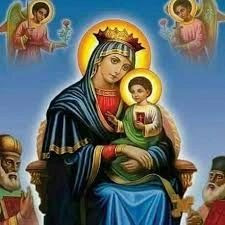
The Ethiopian Orthodox Tewahedo Church (EOTC) holds a profound belief in the ever-virginity of Mary, the Mother of God, rooted in scriptural interpretations and the teachings of the Church Fathers. This belief affirms that Mary remained a virgin before, during, and after the birth of Jesus Christ.

Mary’s profound intention was to consecrate her body to God and to live a life of perpetual virginity. This commitment is evident in her response to the angel Gabriel. When he announced, “…እነሆ ትጸንሻለሽ ወንድ ልጅም ትወልጃለሽ ስሙንም ኢየሱስ ትይዋለሽ…” her immediate reaction was, “ወንድ ስለማላውቅ ይህ እንዴት ይሆናል?” (Luke 1:27-36). It is important to note that she made this statement after being betrothed to Joseph (ለዮሴፍ ከታጨች በኃላ) and while living in Nazareth, Galilee (Luke 1:26-27). This response signifies her commitment to living as a virgin. Had she intended to marry and have children, she might have asked, "From whom?" Instead, her question reveals her intention to remain a virgin, even in the future.

When the angel Gabriel explained that she would conceive by the Holy Spirit, without a male seed, and her desire to remain a virgin is fulfilled, she accepted him, saying, "እንደ ቃልህ ይሁንልኝ" (Luke 1:35, 38). Subsequently, she conceived and gave birth to Jesus Christ, preserving her virginity.

Mary uniquely possesses virginity alongside motherhood and motherhood alongside virginity forever. Just as Christ is both fully human and fully divine without limitation, boundary, or end—Mary's virginity and motherhood are also without limitation, boundary, or end—eternal. She alone bears the honor of being both a virgin and the Mother of God the Son forever (Isaiah 7:14 and Ezekiel 44:1-2). While other women may remain pure in body, Mary remains a virgin both in thought and body. It is for that reason that the angel Gabriel proclaimed to her: "ጸጋ የሞላብሽ ሆይ: አንቺ ከሴቶች መካከል የተባረክሽ ነሽ: ደስ ይበልሽ" (Luke 1:28).

In Ezekiel 44:1-2, it is written: "ወደ ምሥራቅም ወደሚመለከተው በስተውጭ ወዳለው ወደመቅደሱ በር አመጣኝ ተዘግቶም ነበር። እግዚአብሔርም፦ይህ በር ተዘግቶ ይኖራል እንጂ አይከፈትም፥ ሰውም አይገባበትም የእስራኤል አምላክ እግዚአብሔር ገብቶበታልና ተዘግቶ ይኖራል።." This passage is a clear testament to the perpetual virginity of the Holy Virgin. It indicates that Mary’s womb was prophetically sealed, reserved exclusively for the Incarnate Word (ስጋ የሆነ ቃል), and not to bear any other person. Her nature does not permit her to bear anyone else except God the Son— “የእስራኤል አምላክ እግዚአብሔር ገብቶበታልና ተዘግቶ ይኖራል::” Mary is symbolized by the East because, just as the sun rises in the East, she gave birth to the true Sun of Life—Jesus Christ.

In conclusion, the EOTC emphasizes that Mary’s virginity is a timeless aspect of her identity as the Mother of God. Her unique role in salvation history is celebrated, highlighting the eternal coexistence of virginity and motherhood within her. This enduring belief reflects the profound reverence the Church holds for Mary in its faith and teachings.

Tuesday, August 6, 2024

Mary the Mother of God: Her Purity and Holiness - EOTC Perspective - Part II


Ethiopian Orthodox Tewahedo Church (EOTC) holds a deep reverence for the Holy Virgin Mary, acknowledging her unparalleled purity and holiness. In this essay, we will continue to explore the profound significance of Mary’s purity and sanctity, expanding on the insights shared in Part I.

When we proclaim that the Holy Virgin is pure and holy, we are not suggesting that she descended from heaven or that she is without human nature, resistant to hunger, thirst, fatigue, and death. Instead, we emphasize that she maintained perfect purity, having preserved herself from all sins. This understanding aligns with the teachings of the Holy Fathers, who asserted that apart from sin, Christ adopted human nature through His incarnation (ሥጋዌ). Jesus Christ Himself experienced hunger, fatigue, suffering, and death in the body and soul He inherited from the Holy Virgin Mary, and He referred to Himself as a son of man to express this shared nature (John 3:14-15).

When God desired to redeem humanity by becoming human, He found no other woman like the Holy Virgin Mary, who was a treasury (ግምጃ ቤት) of all virtues: holiness, purity, honesty, humility, hope in God, and love. Abba Hiriyakos illustrates this in the Liturgy of the Holy Virgin: “እግዚአብሔር አብ በሰማይ ሆኖ ምስራቅንና ምዕራብን ሰሜንና ደቡብን ዳርቻዎችን ሁለ በእውነት ተመለከተ ተነፈሰ አሸተተም እንደ አንቺ ያለ አላገኘም የአንቺን መዓዛ ወደደ ደም ግባትሽንም ወደደ የሚወደውን ልጁንም ወደ አንቺ ሰደደ፡፡” This statement testifies that no other creature can compare to her in holiness. The Holy Virgin's purity and sanctity are matchless. She stands apart from the rest, chosen among the chosen, superior to all creatures yet beneath the Creator, possessing a remarkable purity and holiness (Luke 1:26-55).

The glory (ክብር) of Mary surpasses that of all saints; she bore in her womb the One whom the Cherubim (አራቱ እንስሳት/ የጌታ መንበር ተሽካሚዎች), the twenty-four priests of heaven and angels praise with fear and unceasing devotion in heaven (Rev. 4:7-9).

The holiness and purity of the Virgin Mary are truly exceptional. Angel Gabriel praised her, saying "ጸጋን የተመላሽ ሆይ" St. Elizabeth also praised her, saying "የጌታዬ እናት" (Luke 1:28,43). Such profound honor has never been bestowed upon any other human being.

Mary's sanctity is not merely a matter of verbal acknowledgment. In Psalm 45:11, it is written, “ንጉሥ ውበትሽን ወድዶአልና፥ እርሱ ጌታሽ ነውና”. Here, King David speaks of her inner purity and sanctity. The beauty that God, the King, cherished, and what made our Lady extraordinary, was her perfect combination of a pure body, mind, and soul. In Psalm 87:3, David further acknowledges her, stating, “ነኪር ነገሩ በእንቲአኪ ሀገረ እግዚአብሔር፣ የእግዚአብሔር ሀገር ሆይ በእውነት በአንቺ የተደረገ የእግዚአብሔር ሥራው ዕፁብ ድንቅ ነው”

In summary, the EOTC’s perspective on the Holy Virgin Mary underscores her extraordinary purity and holiness. Her life and virtues set her apart as the purest and most holy among all human beings, chosen by God to bear His Son and revered by all creation.


Saturday, August 3, 2024

Mary the Mother of God: Her Purity and Holiness - EOTC Perspective - Part I


Mary, the Mother of God, holds a revered place in the Ethiopian Orthodox Tewahedo Church (EOTC), representing profound purity and holiness. The scripture from the Song of Solomon beautifully summarizes this belief: “
ኩለንታኪ ሠናይት አልብኪ ነዉር ወኢምንትኒ ላዕሌኪ- ወዳጄ ሆይ ሁለንተናሽ ውብ ነው ነውርም የለብሽም” (Song Sol 4:7). According to the EOTC interpretation, this verse reflects King Solomon's prophecy, emphasizing Mary's unique state of grace: ነውርም የለብሽም, meaning she is free from shame, criticism, and blame. It proclaims her beauty and sinlessness in actions, speech, and thoughts, underscoring her holiness as the Mother of God.

God, in His essence, is holy, and where he dwells is holy and all that He blesses is holy. This extends to the Virgin Mary, who is not only blessed by God but is also His dwelling place—a vessel through which God took on flesh. Due to this, she is known as the “holy of the holies (ቅድስተ ቅዱሳን).” Mary's holiness is truly exceptional; she embodies purity in her body, soul, and thoughts. (Song Sol 4:7).

The Scriptures affirm her holiness through the words of St. David, who states, “ልዑል ማሪያውን ቀደሰ” (Ps. 46:4-5), signifying that she was holy even before her calling. The angel Gabriel further confirms her blessed state by proclaiming, "ከሴቶች ተለይተሽ የተባረክሽ ነሽ የማኅጸንሽም ፍሬ የተባረከ ነው" (Luke 1:28), testifying to her unparalleled purity and holiness.

Isaiah 1:14 prophesies, “እግዚአብሔር ዘርን ባያስቀርልን ኖሮ እንደ ሰዶም በሆንን እንደ ገሞራም በመሰልን ነበረ፡፡” This verse signifies that Christ will be born of the Holy Virgin Mary, taking her flesh and soul to save the world from suffering. While the term "seed –(ዘር)" refers to the faithful people of Israel, who were spared from the plague through God's mercy, ultimately, this prophecy speaks to the Holy Virgin Mary and the birth of Christ.

Scripture reveals that holy individuals are not labeled holy by chance; it is the result of deep struggle and unwavering love for God. True holiness comes from rejecting worldly sins through righteous living. St. David underscores this in “እግዚአብሔር በጻድቁ እንደተገለጸ እወቁ” (Psalm 4:3), highlighting that God reveals Himself through the righteous.

Our Lord Jesus Christ further repeats this principle, stating, “የሚወደኝ ቃሌን ይጠብቃል አባቴም ይወደዋል ወደ እርሱም እንመጣለን በእርሱም ዘንድ መኖሪያ እናደርጋለን” (John 14:24). By choosing Mary as His dwelling place, God recognized the purity and holiness central to her life. Her sanctity exceeds that of all holy individuals, positioning her as an essential participant in the divine plan for humanity's salvation.

In conclusion, reflecting on the words, “ወዳጄ ሆይ ሁለንተናሽ ውብ ነው ነውርም የለብሽም” (Song Sol 4:7), we recognize that the Holy Virgin Mary represents purity, free from all sin in speech, action, and thought. Her life stands as a testament to divine love and grace, serving as a timeless model of holiness for believers and establishing a standard for a life devoted to God.

Popular Posts