Pages

Monday, August 12, 2024

The Ever Virginity of Mary, The Mother of God: EOTC Perspective Part II


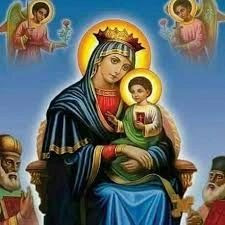
In part I of this essay, we explored the Ethiopian Orthodox Tewahedo Church’s (EOTC’s) profound belief in the ever-virginity of Mary, the Mother of God, a belief deeply rooted in scripture and the teachings of the Church Fathers. In this second part, we will explore further the biblical evidence that supports the belief in the perpetual virginity of the Holy Virgin.

Numerous passages within the Bible testify to Mary's perpetual virginity. One compelling example is found in John 19:26, which states: "ኢየሱስም እናቱን ይወደው የነበረውንም ደቀ መዝሙር በአጠገቡ ቆሞ ባየ ጊዜ እናቱን፦ አንቺ ሴት፥ እነሆ ልጅሽ አላት።" Here, Jesus entrusts John to care for His mother, indicating that Mary had no other children to rely on. Had she given birth to other children, Jesus would have entrusted her to them as well, and at least some would have been present there. This moment, occurring 33 years after Mary's betrothal to Joseph underscores the Holy Virgin bore no other child but Christ.

Moreover, the verses surrounding Mary’s flight to Egypt suggest her unmarried status during this critical period. In Matthew 2:13, the angel commands Joseph, saying, "...ሕፃኑንና እናቱንም ይዘህ ወደ ግብፅ ሽሽ፥ እስክነግርህም ድረስ በዚያ ተቀመጥ አለው." This highlights that the focus is on the child and his mother—not a wife. Similarly, Matthew 2:20 emphasizes, "የሕፃኑን ነፍስ የፈለጉት ሞተዋልና ተነሣ፥ ሕፃኑን እናቱንም ይዘህ ወደ እስራኤል አገር ሂድ አለ::" Again, the angel specifically refers to "the child with his mother," further supporting the notion that Mary's primary role was as the mother of Christ, not a wife.

The prophecy in Isaiah 7:14 is another basis of this belief: "ስለዚህ ጌታ ራሱ ምልክት ይሰጣችኋል እነሆ ፥ድንግል ትፀንሳለች፥ ወንድ ልጅም ትወልዳለች፥ ስሙንም አማኑኤል ብላ ትጠራዋለች". This verse emphasizes that Mary was to conceive and bear a son while remaining a virgin. It does not imply that Mary would later marry and bear additional children, reinforcing the belief in her eternal virginity.

Additionally, as indicated in Matthew 2:1, 7, and 16, when the wise men (የጥበብ ሰዎች) arrived, Christ was about two years old. If Mary had intended to marry Joseph, it is unlikely that she would have waited for such an extended period before doing so.

Lastly, the Song of Songs beautifully sums up this belief in 4:12: "እኅቴ ሙሽራ የተቈለፈ ገነት፥ የተዘጋ ምንጭ የታተመም ፈሳሽ ናት". This poetic imagery indicates that Mary's womb, untouched by man's seed, is sealed, symbolizing her perpetual virginity.

In conclusion, the ever-virginity of Mary is deeply rooted in the Ethiopian Orthodox Church's teachings, supported by a range of biblical texts. Each passage reinforces the belief that Mary was chosen to bear Christ as a virgin and remained so throughout her life, underscoring her unique role in salvation history. This profound belief continues to inspire and guide the faithful in their devotion to Mary, the Mother of God.

Saturday, August 10, 2024

The Ever Virginity of Mary, the Mother of God: EOTC Perspective Part I


The Ethiopian Orthodox Tewahedo Church (EOTC) holds a profound belief in the ever-virginity of Mary, the Mother of God, rooted in scriptural interpretations and the teachings of the Church Fathers. This belief affirms that Mary remained a virgin before, during, and after the birth of Jesus Christ.

Mary’s profound intention was to consecrate her body to God and to live a life of perpetual virginity. This commitment is evident in her response to the angel Gabriel. When he announced, “…እነሆ ትጸንሻለሽ ወንድ ልጅም ትወልጃለሽ ስሙንም ኢየሱስ ትይዋለሽ…” her immediate reaction was, “ወንድ ስለማላውቅ ይህ እንዴት ይሆናል?” (Luke 1:27-36). It is important to note that she made this statement after being betrothed to Joseph (ለዮሴፍ ከታጨች በኃላ) and while living in Nazareth, Galilee (Luke 1:26-27). This response signifies her commitment to living as a virgin. Had she intended to marry and have children, she might have asked, "From whom?" Instead, her question reveals her intention to remain a virgin, even in the future.

When the angel Gabriel explained that she would conceive by the Holy Spirit, without a male seed, and her desire to remain a virgin is fulfilled, she accepted him, saying, "እንደ ቃልህ ይሁንልኝ" (Luke 1:35, 38). Subsequently, she conceived and gave birth to Jesus Christ, preserving her virginity.

Mary uniquely possesses virginity alongside motherhood and motherhood alongside virginity forever. Just as Christ is both fully human and fully divine without limitation, boundary, or end—Mary's virginity and motherhood are also without limitation, boundary, or end—eternal. She alone bears the honor of being both a virgin and the Mother of God the Son forever (Isaiah 7:14 and Ezekiel 44:1-2). While other women may remain pure in body, Mary remains a virgin both in thought and body. It is for that reason that the angel Gabriel proclaimed to her: "ጸጋ የሞላብሽ ሆይ: አንቺ ከሴቶች መካከል የተባረክሽ ነሽ: ደስ ይበልሽ" (Luke 1:28).

In Ezekiel 44:1-2, it is written: "ወደ ምሥራቅም ወደሚመለከተው በስተውጭ ወዳለው ወደመቅደሱ በር አመጣኝ ተዘግቶም ነበር። እግዚአብሔርም፦ይህ በር ተዘግቶ ይኖራል እንጂ አይከፈትም፥ ሰውም አይገባበትም የእስራኤል አምላክ እግዚአብሔር ገብቶበታልና ተዘግቶ ይኖራል።." This passage is a clear testament to the perpetual virginity of the Holy Virgin. It indicates that Mary’s womb was prophetically sealed, reserved exclusively for the Incarnate Word (ስጋ የሆነ ቃል), and not to bear any other person. Her nature does not permit her to bear anyone else except God the Son— “የእስራኤል አምላክ እግዚአብሔር ገብቶበታልና ተዘግቶ ይኖራል::” Mary is symbolized by the East because, just as the sun rises in the East, she gave birth to the true Sun of Life—Jesus Christ.

In conclusion, the EOTC emphasizes that Mary’s virginity is a timeless aspect of her identity as the Mother of God. Her unique role in salvation history is celebrated, highlighting the eternal coexistence of virginity and motherhood within her. This enduring belief reflects the profound reverence the Church holds for Mary in its faith and teachings.

Tuesday, August 6, 2024

Mary the Mother of God: Her Purity and Holiness - EOTC Perspective - Part II


Ethiopian Orthodox Tewahedo Church (EOTC) holds a deep reverence for the Holy Virgin Mary, acknowledging her unparalleled purity and holiness. In this essay, we will continue to explore the profound significance of Mary’s purity and sanctity, expanding on the insights shared in Part I.

When we proclaim that the Holy Virgin is pure and holy, we are not suggesting that she descended from heaven or that she is without human nature, resistant to hunger, thirst, fatigue, and death. Instead, we emphasize that she maintained perfect purity, having preserved herself from all sins. This understanding aligns with the teachings of the Holy Fathers, who asserted that apart from sin, Christ adopted human nature through His incarnation (ሥጋዌ). Jesus Christ Himself experienced hunger, fatigue, suffering, and death in the body and soul He inherited from the Holy Virgin Mary, and He referred to Himself as a son of man to express this shared nature (John 3:14-15).

When God desired to redeem humanity by becoming human, He found no other woman like the Holy Virgin Mary, who was a treasury (ግምጃ ቤት) of all virtues: holiness, purity, honesty, humility, hope in God, and love. Abba Hiriyakos illustrates this in the Liturgy of the Holy Virgin: “እግዚአብሔር አብ በሰማይ ሆኖ ምስራቅንና ምዕራብን ሰሜንና ደቡብን ዳርቻዎችን ሁለ በእውነት ተመለከተ ተነፈሰ አሸተተም እንደ አንቺ ያለ አላገኘም የአንቺን መዓዛ ወደደ ደም ግባትሽንም ወደደ የሚወደውን ልጁንም ወደ አንቺ ሰደደ፡፡” This statement testifies that no other creature can compare to her in holiness. The Holy Virgin's purity and sanctity are matchless. She stands apart from the rest, chosen among the chosen, superior to all creatures yet beneath the Creator, possessing a remarkable purity and holiness (Luke 1:26-55).

The glory (ክብር) of Mary surpasses that of all saints; she bore in her womb the One whom the Cherubim (አራቱ እንስሳት/ የጌታ መንበር ተሽካሚዎች), the twenty-four priests of heaven and angels praise with fear and unceasing devotion in heaven (Rev. 4:7-9).

The holiness and purity of the Virgin Mary are truly exceptional. Angel Gabriel praised her, saying "ጸጋን የተመላሽ ሆይ" St. Elizabeth also praised her, saying "የጌታዬ እናት" (Luke 1:28,43). Such profound honor has never been bestowed upon any other human being.

Mary's sanctity is not merely a matter of verbal acknowledgment. In Psalm 45:11, it is written, “ንጉሥ ውበትሽን ወድዶአልና፥ እርሱ ጌታሽ ነውና”. Here, King David speaks of her inner purity and sanctity. The beauty that God, the King, cherished, and what made our Lady extraordinary, was her perfect combination of a pure body, mind, and soul. In Psalm 87:3, David further acknowledges her, stating, “ነኪር ነገሩ በእንቲአኪ ሀገረ እግዚአብሔር፣ የእግዚአብሔር ሀገር ሆይ በእውነት በአንቺ የተደረገ የእግዚአብሔር ሥራው ዕፁብ ድንቅ ነው”

In summary, the EOTC’s perspective on the Holy Virgin Mary underscores her extraordinary purity and holiness. Her life and virtues set her apart as the purest and most holy among all human beings, chosen by God to bear His Son and revered by all creation.


Saturday, August 3, 2024

Mary the Mother of God: Her Purity and Holiness - EOTC Perspective - Part I


Mary, the Mother of God, holds a revered place in the Ethiopian Orthodox Tewahedo Church (EOTC), representing profound purity and holiness. The scripture from the Song of Solomon beautifully summarizes this belief: “
ኩለንታኪ ሠናይት አልብኪ ነዉር ወኢምንትኒ ላዕሌኪ- ወዳጄ ሆይ ሁለንተናሽ ውብ ነው ነውርም የለብሽም” (Song Sol 4:7). According to the EOTC interpretation, this verse reflects King Solomon's prophecy, emphasizing Mary's unique state of grace: ነውርም የለብሽም, meaning she is free from shame, criticism, and blame. It proclaims her beauty and sinlessness in actions, speech, and thoughts, underscoring her holiness as the Mother of God.

God, in His essence, is holy, and where he dwells is holy and all that He blesses is holy. This extends to the Virgin Mary, who is not only blessed by God but is also His dwelling place—a vessel through which God took on flesh. Due to this, she is known as the “holy of the holies (ቅድስተ ቅዱሳን).” Mary's holiness is truly exceptional; she embodies purity in her body, soul, and thoughts. (Song Sol 4:7).

The Scriptures affirm her holiness through the words of St. David, who states, “ልዑል ማሪያውን ቀደሰ” (Ps. 46:4-5), signifying that she was holy even before her calling. The angel Gabriel further confirms her blessed state by proclaiming, "ከሴቶች ተለይተሽ የተባረክሽ ነሽ የማኅጸንሽም ፍሬ የተባረከ ነው" (Luke 1:28), testifying to her unparalleled purity and holiness.

Isaiah 1:14 prophesies, “እግዚአብሔር ዘርን ባያስቀርልን ኖሮ እንደ ሰዶም በሆንን እንደ ገሞራም በመሰልን ነበረ፡፡” This verse signifies that Christ will be born of the Holy Virgin Mary, taking her flesh and soul to save the world from suffering. While the term "seed –(ዘር)" refers to the faithful people of Israel, who were spared from the plague through God's mercy, ultimately, this prophecy speaks to the Holy Virgin Mary and the birth of Christ.

Scripture reveals that holy individuals are not labeled holy by chance; it is the result of deep struggle and unwavering love for God. True holiness comes from rejecting worldly sins through righteous living. St. David underscores this in “እግዚአብሔር በጻድቁ እንደተገለጸ እወቁ” (Psalm 4:3), highlighting that God reveals Himself through the righteous.

Our Lord Jesus Christ further repeats this principle, stating, “የሚወደኝ ቃሌን ይጠብቃል አባቴም ይወደዋል ወደ እርሱም እንመጣለን በእርሱም ዘንድ መኖሪያ እናደርጋለን” (John 14:24). By choosing Mary as His dwelling place, God recognized the purity and holiness central to her life. Her sanctity exceeds that of all holy individuals, positioning her as an essential participant in the divine plan for humanity's salvation.

In conclusion, reflecting on the words, “ወዳጄ ሆይ ሁለንተናሽ ውብ ነው ነውርም የለብሽም” (Song Sol 4:7), we recognize that the Holy Virgin Mary represents purity, free from all sin in speech, action, and thought. Her life stands as a testament to divine love and grace, serving as a timeless model of holiness for believers and establishing a standard for a life devoted to God.

Wednesday, July 31, 2024

Understanding "የአዲስ ኪዳን መካከለኛ” from the EOTC Perspective


In the Christian tradition, particularly within the Ethiopian Orthodox Tewahedo Church (EOTC), the concept of mediation between God and humanity is central to its theology. This idea is beautifully expressed in two key biblical passages: Hebrews 12:24 and 1 Timothy 2:5. The verses proclaim, "የሐዲስም ኪዳን መካከለኛ ወደሚሆን ወደ ኢየሱስ፥ ከአቤልም ደም ይልቅ የሚሻለውን ወደ ሚናገር ወደ መርጨት ደም ደርሳችኋል" (Hebrews 12:24) and "አንድ እግዚአብሔር አለና፥ በእግዚአብሔርና በሰውም መካከል ያለው መካከለኛው ደግሞ አንድ አለ፥ እርሱም ሰው የሆነ ክርስቶስ ኢየሱስ ነው" (1 Timothy 2:5).

The EOTC firmly believes that our Lord Jesus Christ is the sole and authentic mediator between humanity and God. The Church teaches that this verse does not imply that Christ continues to intercede for us after His reconciliation with Himself, the Father, and the Holy Spirit on the cross; rather, it conveys the following interpretations:

1. The Incarnation: (የሰውን ሥጋ መልበሱ)

Our Lord Jesus Christ assumed human nature by taking his flesh and soul from the Holy Virgin Mary, as narrated in Luke 1:26-45 and Matthew 1:25. Had He not taken on human flesh, He could not rightfully be called a "man" or a mediator between man and God. Only Christ is both fully God and fully human, which is why He is called the Mediator. This is precisely why He can bridge the gap between humanity and the divine.

2. Mediator of the Old and New Testaments

Christ's crucifixion marked a pivotal moment in salvation history. Prior to His sacrifice, offerings of sheep and cattle were made for the forgiveness of sins. However, through His death, Christ established a new covenant (ኪዳን), providing not mere animal sacrifices but His own holy flesh and blood, thus fulfilling and replacing the old sacrifice. As articulated in Matthew 26:26-28, "ሲበሉም ኢየሱስ እንጀራን አንሥቶ ባረከ ቆርሶም ለደቀ መዛሙርቱ ሰጠና….," In 1 Timothy 2:5, St. Paul emphasizes that Christ's sacrifice is unparalleled, superior even to the blood of Abel, which could not clear sin. Instead, through His sacrifice, Christ offers a complete and ultimate reward, rendering subsequent animal sacrifices unnecessary.

As the ultimate mediator, Jesus bridges the gap between the Old Testament's priesthood and the New, representing both the fulfillment of the old covenant and the initiation of the new covenant. His role as mediator connects the saints of the past with those of the present, making Him the essential link in the history of salvation.

In conclusion, the Ethiopian Orthodox Tewahedo Church's understanding of "የሐዲስ ኪዳን መካከለኛ" highlights the profound nature of Christ's mediation as both God and man. Through His sacrifice, He established a new covenant and eternally preserved the connection between the faithful of the past and present. This verse does not imply that Christ continuously intercedes for us; rather, it affirms that He reconciled us once and for all with Himself, His Father, and the Holy Spirit through His redemptive act.

Sunday, July 28, 2024

Faith and Good Works: A Synergistic Approach to Salvation in Orthodox Christianity


The path to salvation in Christianity has been a subject of theological debate for centuries. One of the most enduring questions revolves around the relative importance of faith and good works in achieving salvation. This essay will explore the Orthodox Christian approach to this question, which emphasizes a synergistic relationship between faith and good works, both being necessary for salvation.

The Orthodox Church adheres to a view known as synergism, which emphasizes the cooperative nature of faith and good works in the process of salvation. God's grace initiates this process, offering humanity the opportunity for salvation. However, human response through faith and good works is necessary to receive and cooperate with this grace.

Ephesians 2:8-9 states that “ጸጋው በእምነት አድኖአችኋልና፤ይህም የእግዚአብሔር ስጦታ ነው እንጂ ከእናንተ አይደለም፤ማንም እንዳይመካ ከሥራ አይደለም::’’ This verse emphasizes that salvation, initiated by grace through faith is a gift from God, separate from deeds, to avoid any sense of pride or boasting. On the other hand, James 2:14-17 proclaims that “ወንድሞቼ ሆይ፥ እምነት አለኝ የሚል፥ ሥራ ግን የሌለው ሰው ቢኖር ምን ይጠቅመዋል? እምነቱስ ሊያድነው ይችላልን?...እንደዚሁም ሥራ የሌለው እምነት ቢኖር በራሱ የሞተ ነው።” This verse calls attention to the importance of actions accompanying faith, stating that faith alone is "dead" without works. Additionally, James 2: 24 asserts that “ሰው በእምነት ብቻ ሳይሆን በሥራ እንዲጸድቅ ታያላችሁ”. This verse is interpreted as true faith must be accompanied by good works. Faith without works is considered dead faith.

Church Fathers like Saint Basil the Great (329- 379 A.D) provide clarity on the Orthodox perspective. He compares faith to the foundation of a building, while good works are the building itself. Just as a foundation without a building is useless, so too is faith without good works. Saint Augustine (354- 430 A.D), though emphasizing grace, also saw good works as a natural response to God's grace.

The Orthodox Church teaches that faith is the initial step, receiving God's grace and initiating the journey of salvation. Genuine faith then produces good works as a natural fruit, demonstrating love for God and neighbor. Both faith and good works are essential for salvation. Faith without works is dead and works without faith are empty. Salvation remains a gift from God, but it requires a human response through a life transformed by His grace, reflected in good works.

In conclusion, the Orthodox Church views faith and good works as inseparable companions. True faith leads to a transformed life, which is evident in good works. Both are necessary for the ongoing journey of salvation. This synergistic approach emphasizes the importance of God's grace while acknowledging the active role of humanity in cooperating with that grace through faith and good works.

Understanding Salvation in the Orthodox Church


The concept of salvation in the Orthodox Church transcends the idea of simply avoiding hell or attaining heaven. It delves into a dynamic process called theosis (divinization), signifying a transformative journey of becoming more like God. This journey emphasizes our restored communion with God, broken by humanity's fall.


From Separation to Union:

The book of Genesis (3:23-24) recounts the Fall of Man, where sin entered the world, creating a separation between humanity and God's grace. This separation is a core concept in understanding salvation. The Orthodox Church emphasizes God's enduring love and desire to restore this broken relationship.

Salvation as Theosis:

Orthodox theology emphasizes theosis, the process of becoming more like God by grace through participation in God’s attributes such as love, holiness, mercy, compassion, wisdom, humility, forgiveness, goodness, and righteousness. This involves spiritual growth, purification from sin, and acquiring the divine energies (uncreated grace) that radiate from God. The central aim of Orthodox spirituality is theosis, where believers strive to grow in likeness to God by grace.

2 Peter 1:4-6 highlights the potential for human participation in the divine nature: “ስለ ክፉ ምኞት በዓለም ካለው ጥፋት አምልጣችሁ ከመለኮት ባሕርይ ተካፋዮች በተስፋ ቃል እንድትሆኑ፥ በእነዚያ ክብርና በጎነት የተከበረና እጅግ ታላቅ የሆነ ተስፋን ሰጠን።ስለዚህም ምክንያት ትጋትን ሁሉ እያሳያችሁ በእምነታችሁ በጎነትን ጨምሩ:: በበጎነትም እውቀትን፥ በእውቀትም ራስን መግዛት፥ ራስንም በመግዛት መጽናትን፥ በመጽናትም እግዚአብሔርን መምሰል::”

Ephesians 2:4-5 emphasizes God's initiative in salvation and our union with Christ: “ነገር ግን እግዚአብሔር በምሕረቱ ባለ ጠጋ ስለ ሆነ፥ ከወደደን ከትልቅ ፍቅሩ የተነሣ በበደላችን ሙታን እንኳ በሆንን ጊዜ ከክርስቶስ ጋር ሕይወት ሰጠን፥ በጸጋ ድናችኋልና።”

Saint Athanasius highlights theosis as the purpose of the Incarnation "For the Word was made flesh so that we might become a God (On the Incarnation).

Stages of Theosis:

Purification (Katharsis): This involves repentance, prayer, and participation in the sacraments to cleanse oneself from sin and negative passions.

Illumination (Theoria): This stage involves experiencing God's grace and light through prayer, contemplation, and participation in the Liturgy and other services.

Deification (Theosis): This is the ongoing process of becoming more like God, filled with God's grace. It is a continuous journey, not a one-time event.

Importance of the Church:

The Orthodox Church is seen as a sacred space where God's grace is present through the sacraments and the Holy Tradition. Participation in Church life, including worship, service to others, and spiritual guidance, is considered crucial for theosis.

In Conclusion, Salvation in the Orthodox Church is not a passive process. It is a cooperative effort between God's grace and our free will. Through theosis, we are offered the potential to become more like God by grace, reflecting His light in the world. Theosis is a journey of hope, where believers are empowered to embody reflections of the divine.

Popular Posts